
Hear from Our Customers
You can’t fix what you can’t see. That’s the problem with mold in Milford Square homes – it hides in crawl spaces, behind drywall, inside HVAC systems, and under flooring where humidity from our clay soil creates perfect growing conditions.
Professional mold testing gives you the full picture. Not just where mold is growing, but what type it is, how much is there, and whether your indoor air quality is actually safe for your family.
Most homeowners wait until they see visible growth or smell that musty odor. By then, spores have already spread through your ventilation system. Testing catches it earlier, when remediation is simpler and less expensive.
You’ll get lab-verified results that identify the exact mold species. That matters because black mold requires different handling than common household molds. You’ll also know if the problem is isolated or systemic, which determines whether you need a small repair or a larger remediation project.
Testing also gives you documentation. If you’re selling your home in Bucks County, you’re legally required to disclose known mold issues. If you’re buying, testing protects you from inheriting someone else’s moisture problem.
We’ve been serving Milford Square and Bucks County with one focus: creating healthy homes. We’re not a national franchise following a script. We’re local professionals who understand how Pennsylvania’s humid summers and temperature swings create mold conditions that don’t exist everywhere else.
Our team uses EPA-approved testing methods and equipment that meets American Industrial Hygiene Association standards. We’re certified mold remediation professionals, which means we know what to look for and how to interpret results accurately.
We’ve tested hundreds of homes in this area. Older properties with stone foundations and limited ventilation. Newer builds with improper vapor barriers. Basements that flood every spring. Attics with condensation issues every winter. We’ve seen what works and what doesn’t in Milford Square specifically.
We start with a free inspection of your property. That means walking through your home, checking areas where mold typically grows, and identifying any moisture sources or water damage that could be feeding the problem.
If testing makes sense, we’ll take both air samples and surface samples. Air sampling measures the concentration of mold spores you’re breathing. Surface sampling identifies what’s actually growing on your walls, floors, or belongings. We test multiple rooms to compare contamination levels and find the source.
Samples go to an independent lab for analysis. You’ll get a detailed report within a few days that breaks down the types of mold present, spore counts, and whether levels exceed safe thresholds. We’ll review those results with you in plain language.
Then we’ll walk you through your options. If remediation is needed, we’ll explain what that involves, how long it takes, and what it costs. If the issue is minor, we’ll tell you that too. We’re not here to oversell – we’re here to give you accurate information so you can make the right call for your home.
Ready to get started?
Every mold testing service includes a complete visual inspection of your property. We check basements, crawl spaces, attics, bathrooms, kitchens, and any area with a history of moisture or water damage. We also inspect HVAC systems, which often spread mold spores throughout the house without anyone noticing.
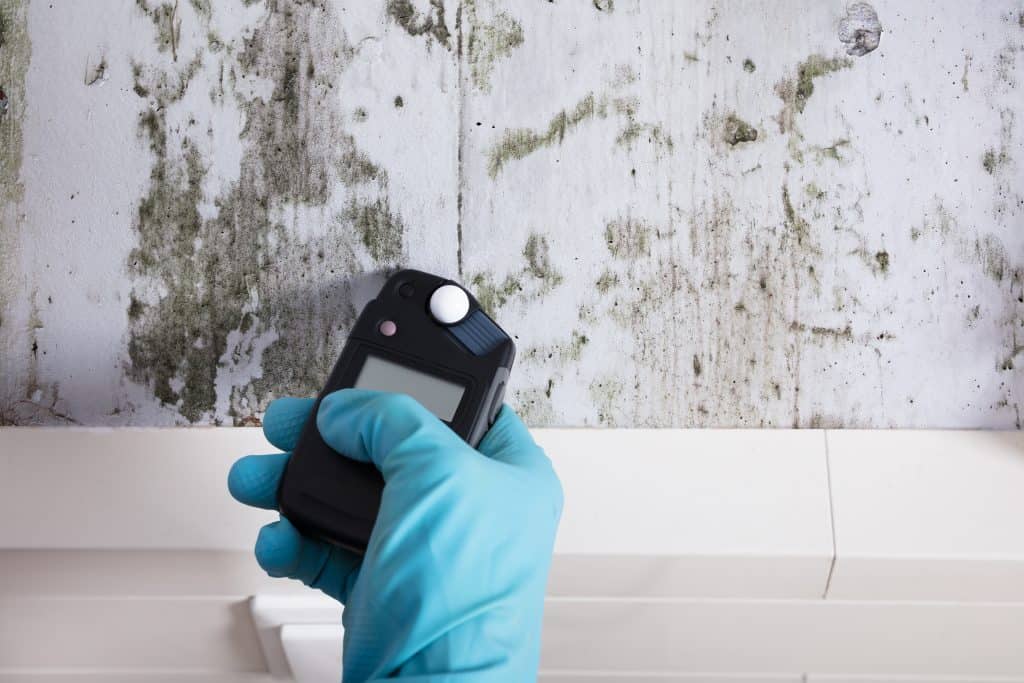
We use moisture meters to find hidden water intrusion behind walls and under floors. High moisture readings tell us where mold is likely growing even if it’s not visible yet. Thermal imaging helps us spot temperature differences that indicate leaks or poor insulation creating condensation.
Air quality testing measures spore concentration in your indoor air compared to outdoor baseline levels. If your indoor counts are significantly higher, that’s a red flag. Surface testing involves swabbing or tape-lifting samples from suspected mold growth to identify the exact species.
In Milford Square, we pay special attention to basement moisture. The soil composition here holds water, and many older homes have stone foundations that weren’t built with modern waterproofing. That creates chronic dampness, which is the number one cause of mold growth in Bucks County homes.
You’ll receive lab results with a breakdown of every mold type found, spore counts per cubic meter of air, and our professional assessment of what those numbers mean for your health and property. We also provide a written remediation plan if treatment is necessary.
Most homeowners pay between $250 and $500 for professional mold testing, depending on the size of your home and how many samples we need to take. A small home with one suspected area costs less than a large property requiring multiple air and surface samples.
Testing costs are separate from inspection costs. We offer free inspections, so you’re not paying anything until we’ve assessed your situation and confirmed that testing is actually necessary.
If you need both testing and remediation, we’ll credit your testing fee toward the remediation cost. The investment is worth it because guessing about mold problems usually leads to incomplete fixes that don’t address the real source. Lab-verified testing tells you exactly what you’re dealing with so remediation is done right the first time.
Home test kits from hardware stores will tell you that mold is present, but they won’t tell you what type, how much, or whether it’s actually a problem. Those kits almost always come back positive because mold spores exist in every home – the question is whether concentrations are unsafe.
Professional testing uses calibrated equipment and lab analysis to measure spore counts and identify specific mold species. That matters because not all mold is equally harmful. Some types require immediate remediation, while others are common and relatively harmless at low levels.
You also can’t test hidden areas with a home kit. We use specialized tools to sample inside wall cavities, ductwork, and crawl spaces where mold often grows undetected. If you’re dealing with health symptoms, preparing for a real estate transaction, or documenting an insurance claim, you need professional testing with certified results.
We see a lot of Stachybotrys chartarum, which is the black mold that gets the most attention. It grows on water-damaged drywall, wood, and paper products. It’s not as common as other types, but when it shows up, it needs professional remediation.
Aspergillus and Penicillium are much more common in Bucks County homes. They grow on damp surfaces, in HVAC systems, and on water-damaged materials. Some species cause allergic reactions or respiratory issues, especially in people with asthma or weakened immune systems.
Cladosporium is another frequent find. It grows in cool, damp areas like basements and crawl spaces. It’s usually less harmful than black mold, but it still needs to be removed if concentrations are high. Testing identifies exactly which species you’re dealing with so we can recommend the appropriate remediation approach based on actual risk, not assumptions.
The on-site inspection and sample collection usually takes one to two hours, depending on the size of your home and how many areas we’re testing. We’re thorough but efficient – we’re not going to waste your time.
Lab analysis takes three to five business days in most cases. The lab is identifying mold species and counting spores, which requires time for cultures to develop and microscopic examination. Rush processing is available if you’re on a tight timeline for a real estate closing or insurance claim.
Once results come back, we’ll schedule a follow-up call or meeting to review findings and discuss next steps. That conversation usually takes 30 minutes to an hour. If remediation is needed, we can often start within a few days of your approval. The entire process from initial inspection to receiving your results typically takes one week.
Testing tells you what’s growing and where. The inspection that happens before testing is what identifies why you have mold – and that’s actually the more important part.
During inspection, we’re looking for moisture sources. Roof leaks, plumbing leaks, foundation cracks, poor drainage around your home, condensation from temperature differences, high indoor humidity, or inadequate ventilation. Mold doesn’t grow without moisture, so finding the water source is critical.
In Milford Square, we often find that basement moisture comes from groundwater seeping through stone foundations or poor exterior grading that directs rainwater toward the house instead of away from it. Attic mold usually comes from ventilation issues or roof leaks. Bathroom mold is typically a ventilation problem. We’ll identify the root cause so you can fix it permanently, not just treat the symptoms.
No. Mold testing is non-invasive and doesn’t disturb mold growth in a way that releases large amounts of spores into the air. You can stay in your home during the entire process.
We’re collecting small samples using swabs, tape lifts, or air pumps that pull air through collection cassettes. There’s no demolition, no chemicals, and no safety risk to you or your family during testing.
Remediation is different. Depending on the extent of contamination, you may need to stay out of certain areas while we’re removing mold and treating affected materials. But that’s only if testing confirms you need remediation. The testing itself is completely safe and won’t disrupt your daily routine.
Other Services we provide in Milford Square